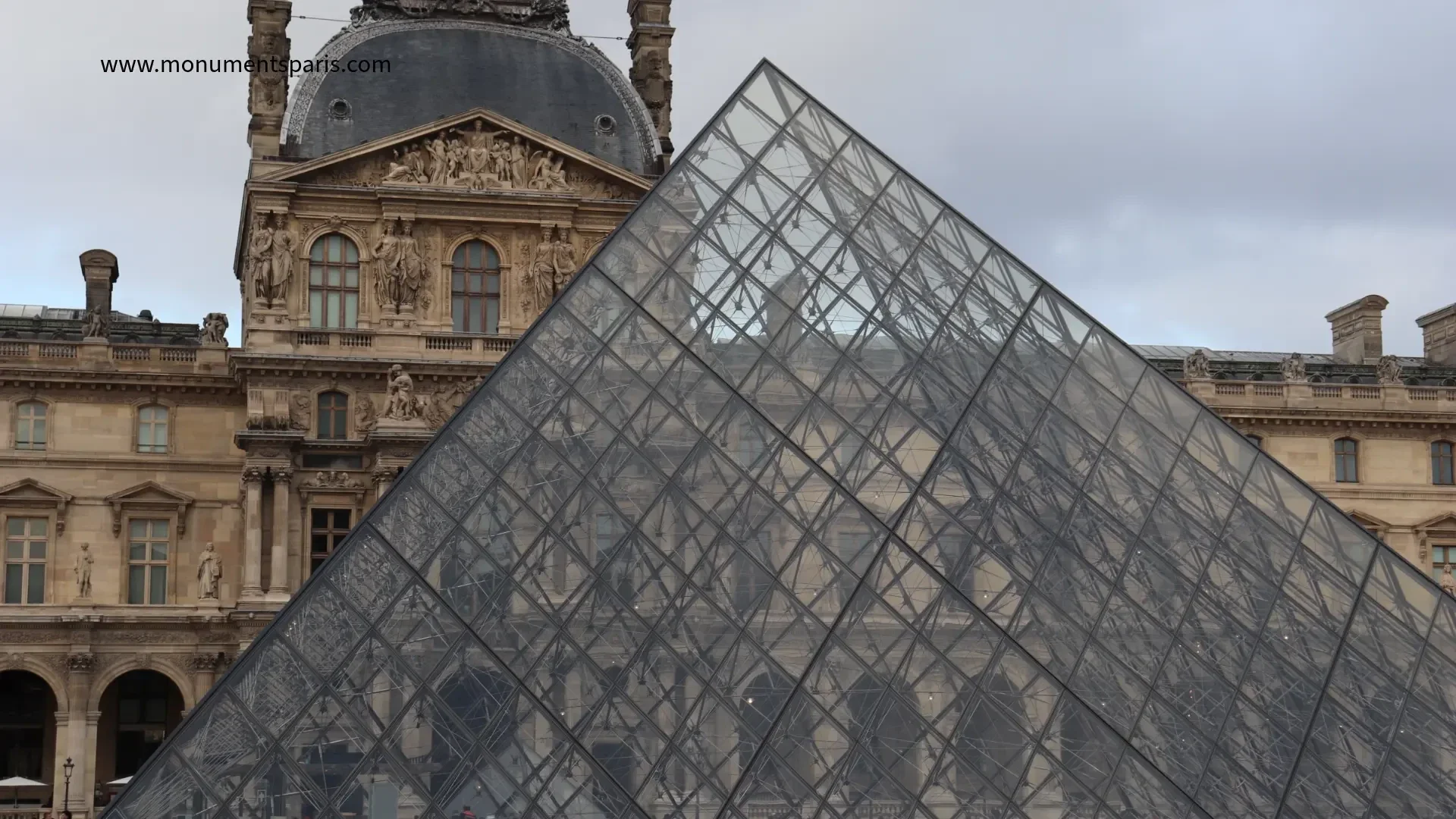
The Louvre Museum, Paris
The Louvre is the world's largest and most visited art museum — and one of the most extraordinary buildings in Paris. Home to over 35,000 works of art, it is a journey through art, history, and architecture unlike any other on earth.
History
The story of the Louvre begins in 1190, when King Philippe Auguste built a defensive fortress on the banks of the Seine. For three centuries it served as a royal stronghold, before King Francis I transformed it into a Renaissance palace in 1546 — and brought the Mona Lisa to France, purchased directly from Leonardo da Vinci.
Henri IV added the Grande Galerie along the Seine. Louis XIV commissioned the great eastern colonnade before abandoning the palace for Versailles in 1682. Then came the Revolution: on 10 August 1793, the Louvre opened its doors to the public for the first time — the royal collection declared the property of the French nation.
Under Napoleon, the museum filled with masterpieces from across Europe. In 1989, President Mitterrand's Grand Travaux project delivered I.M. Pei's iconic glass Pyramid — today one of the most recognisable symbols of Paris.
What to See
The Mona Lisa
The most visited painting in the world. Smaller than you expect (77cm x 53cm), displayed behind bulletproof glass in the Salle des États, first floor, Denon Wing. Arrive early or visit on a Wednesday/Friday evening for the best experience. Don't miss Veronese's enormous Wedding at Cana on the opposite wall.
The Venus de Milo
A marble statue of Aphrodite dating from around 100 BC. Ground floor, Sully Wing. Rarely crowded — you can usually get very close and admire the extraordinary sculptural detail.
Winged Victory of Samothrace
A 2nd-century BC Greek sculpture of Nike, goddess of victory. Top of the Daru staircase, Denon Wing. One of the greatest sculptures ever made — positioned to look as if it is about to take flight.
The Grande Galerie
460 metres of Italian masterpieces — Leonardo, Raphael, Titian, Caravaggio, Veronese. One of the great rooms in all of art history.
The Galerie d'Apollon
Gilded stucco, painted ceilings, and the French Crown Jewels. The direct inspiration for Versailles' Hall of Mirrors.
The Medieval Louvre
Basement, Sully Wing. The excavated foundations of Philippe Auguste's original 12th-century fortress — the moat, towers and walls preserved exactly as found. Often deserted. Extraordinary atmosphere.
Opening Hours
Monday, Thursday, Saturday, Sunday : 9:00am – 6:00pm
Wednesday & Friday : 9:00am – 9:45pm (least crowded)
Closed : Tuesday, 1 January, 1 May, 25 December
Last entry : 1 hour before closing
Ticket Prices
Full price : €22
Reduced : €15 (18–25 year olds from outside the EU)
Free : Under 18s | EU residents under 26 | First Sunday of the month (Oct–Mar) | Teachers | Job seekers
Paris Museum Pass : Valid for unlimited entry — excellent value
Getting There
Address : Rue de Rivoli, 75001 Paris
Metro : Palais Royal – Musée du Louvre (lines 1 & 7)
RER : Châtelet – Les Halles (lines A, B, D)
Entrance : Via the Glass Pyramid or the Carrousel du Louvre underground mall
Tips for Your Visit
Book online : Always book timed entry tickets in advance at louvre.fr
Best time : Wednesday or Friday evening — open until 9:45pm, far fewer crowds
Allow : 3–4 hours for the highlights | A full day for a thorough visit
First visit itinerary : Denon Wing → Sully Wing ground floor → Medieval Louvre
Audio guide : Available in multiple languages — highly recommended
Best café : Café Mollien, inside the museum, with views over the Cour Napoléon