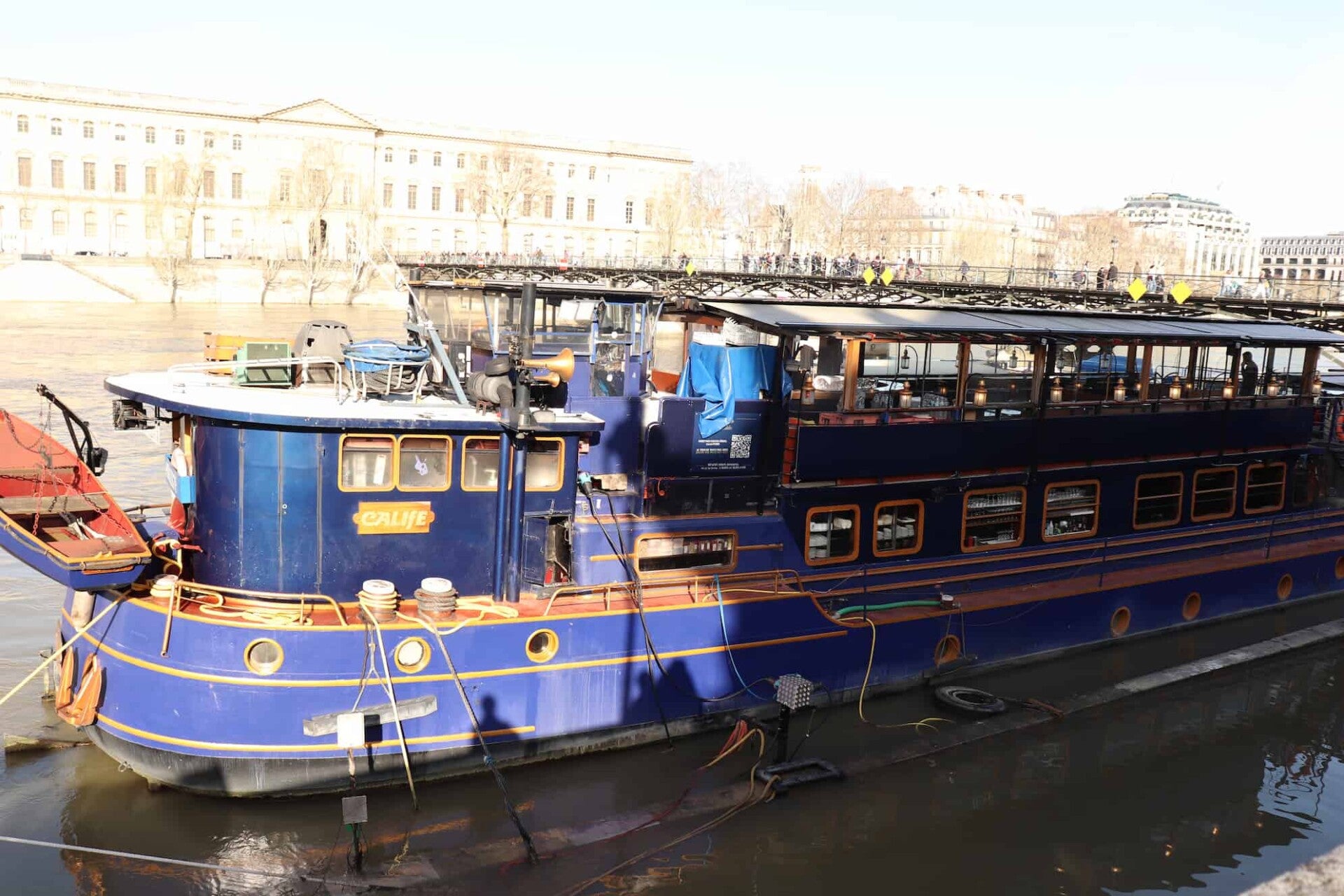
The River Seine, Paris
The Seine is the soul of Paris. For over 2,000 years, this great river has shaped the city that grew up along its banks — providing water, trade, defence, and inspiration to countless generations of Parisians. Today the Seine flows for 13 kilometres through the heart of the city, passing beneath 37 bridges, past the greatest monuments in France, and through some of the most beautiful urban landscapes in the world. To understand Paris, you must first understand the Seine.
History
The Origins of Paris
Paris owes its very existence to the Seine. The first settlement on the site of the modern city was established by the Parisii — a Gallic tribe — on the Île de la Cité, the largest island in the river, around 250 BC. The Romans called the settlement Lutetia, and it was the strategic position on the Seine — controlling river trade between the Atlantic coast and the heart of Gaul — that made it valuable enough to become a major city.
The Medieval River
Throughout the Middle Ages, the Seine was the economic lifeline of Paris. Goods arrived by boat from across France and beyond — wine from Burgundy, grain from the Beauce, stone from the quarries of the Île-de-France. The river merchants — the Marchands de l'Eau — were among the most powerful guilds in medieval Paris, and their symbol, a ship, remains the emblem of the city of Paris to this day.
The Modern Seine
The 19th century saw the Seine transformed. Baron Haussmann's great reconstruction of Paris under Napoleon III created the magnificent quais — the broad riverside promenades — that line both banks of the river today. The Bateaux Mouches began running in 1867 for the Paris World's Fair and have been a fixture of the Seine ever since.
In 1991, the banks of the Seine from the Pont de Sully to the Pont d'Iéna were inscribed as a UNESCO World Heritage Site — one of the most celebrated urban riverscapes in the world.
The Quais de Seine
Quai de Seine
The quais — the broad stone embankments that line both banks of the river — are one of the great pleasures of Paris. Walking along the quais, with the river on one side and the great monuments of the city rising on the other, is an experience unlike any other. The quais are at their most beautiful in the early morning and at sunset, when the light on the water is extraordinary.
Les Berges de Seine
On the Left Bank, the former expressway along the Seine has been transformed into the Berges de Seine — a pedestrian and cycling promenade stretching from the Musée d'Orsay to the Pont de l'Alma. With pop-up restaurants, floating gardens, sports facilities, and open-air events, the Berges de Seine is one of the most popular public spaces in Paris.
Seine River Cruises
Bateaux Mouches
The most famous way to see Paris from the water is aboard one of the legendary Bateaux Mouches — the glass-roofed river boats that have been cruising the Seine since 1867. A one-hour cruise takes you past Notre-Dame, the Louvre, the Musée d'Orsay, the Eiffel Tower, and the Pont Alexandre III — the greatest concentration of world-class monuments in the world, seen from the water.
Seine River Cruise at Night
For the most magical experience, take a Seine river cruise at night. As darkness falls, the monuments of Paris are illuminated in golden light, the Eiffel Tower sparkles every hour on the hour, and the reflections of the city shimmer on the dark water. A night cruise on the Seine is one of the most romantic experiences Paris has to offer.
Dinner Cruises
For a truly special evening, several operators offer dinner cruises on the Seine — combining a gourmet meal with a two-hour cruise past the illuminated monuments of Paris. Prices range from around €80 to €200 per person depending on the operator and menu.
Ticket Prices & Booking
Standard 1-hour cruise : from €15 per person
Night cruise : from €20 per person
Dinner cruise : from €80 per person
Book your Seine river cruise → (lien GetYourGuide)
Tips for Your Visit
Best time : Sunset — watch the city turn golden then see the Eiffel Tower light show begin
Night cruise : The most romantic option — book well in advance in summer
Free option : The Pont de Bir-Hakeim and the Trocadéro offer free views of the Seine and the Eiffel Tower
Walking : The quais are free to walk at any time — one of the great free experiences in Paris
Bouquinistes : Allow time to browse the second-hand booksellers along the quais
FAQ
How long is the Seine in Paris?
The Seine flows for approximately 13 kilometres through Paris, passing beneath 37 bridges from the Pont de Bercy in the east to the Pont de Sèvres in the west.
What is the best Seine river cruise?
For a classic daytime experience, the Bateaux Mouches offer excellent value. For the most memorable experience, a night cruise — when the monuments are illuminated — is unbeatable. Book in advance, especially in summer.
Is swimming in the Seine allowed?
The Seine was closed to swimming for over 100 years due to pollution. Paris has invested heavily in cleaning the river in preparation for the 2024 Olympics, when open-water swimming events were held in the Seine for the first time in a century.
What UNESCO heritage site is on the Seine?
The banks of the Seine between the Pont de Sully and the Pont d'Iéna — including Notre-Dame, the Louvre, the Musée d'Orsay, and the Eiffel Tower — were inscribed as a UNESCO World Heritage Site in 1991.