

The Place de la Bastille: From 1789 Fortress to 1989 Modernity
The Ghost of the Bastille Prison: Traces of the Past
"Did you know that you are walking on history? While the fortress was destroyed in 1789, its presence is still felt today. Look down at the paving stones: dark lines on the ground trace the exact perimeter of the eight towers of the old prison. It’s a silent, haunting reminder of the French Revolution right under your feet."
The July Column: A Monumental Tomb in the Heart of Paris
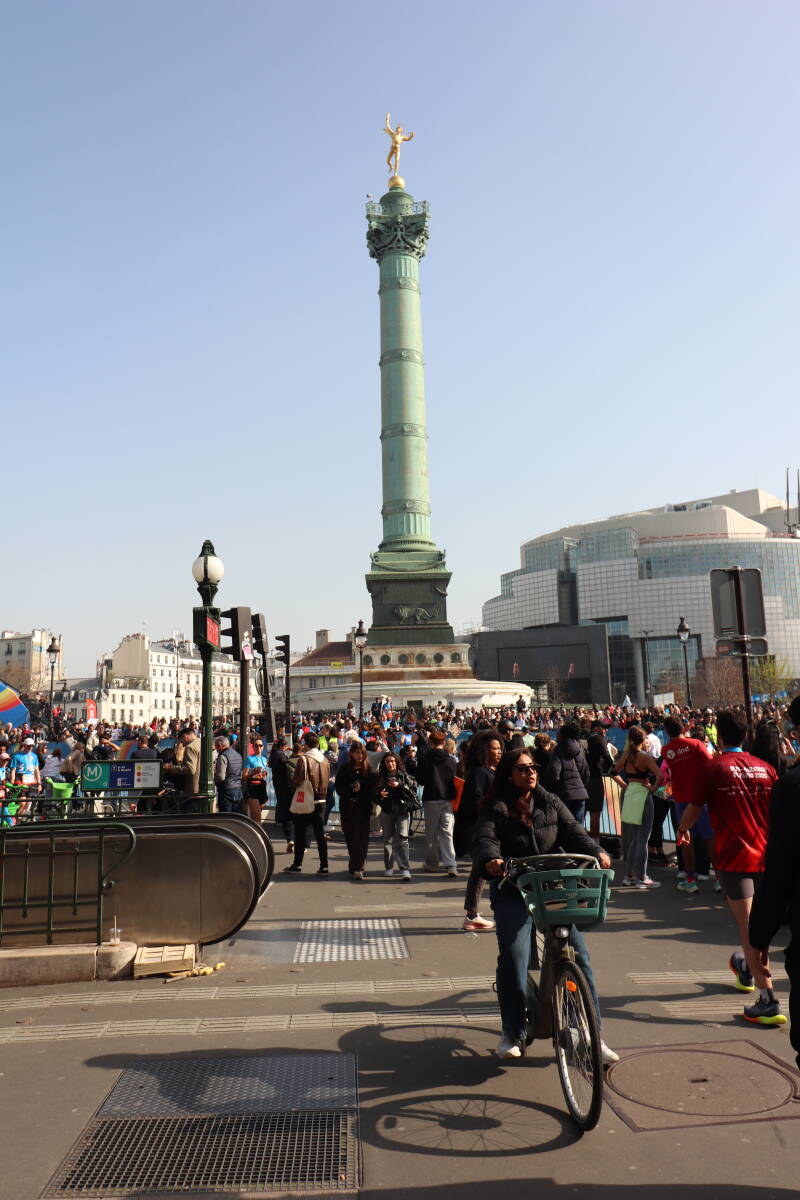
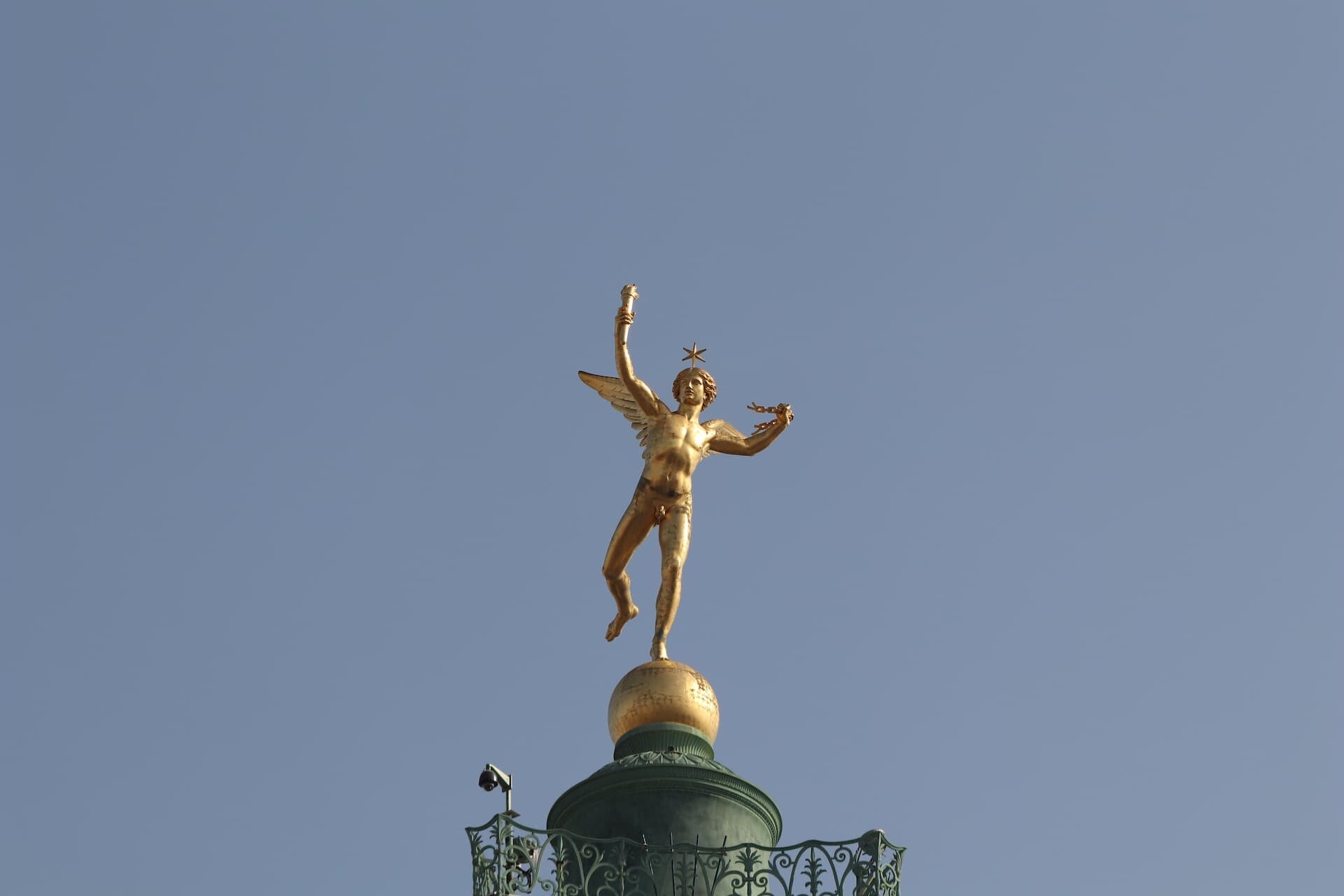
"Dominating the square, the July Column (Colonne de Juillet) isn't just a victory monument. It is actually a tomb (nécropole). Beneath its base lie the remains of hundreds of revolutionaries who fought in 1830 and 1848. This hidden history makes it one of the most sacred and mysterious monuments in Paris."
Opéra Bastille: The 1989 Bicentennial Revolution
"Fast forward 200 years to the 1989 Bicentennial. The inauguration of the Opéra Bastille on July 13, 1989, transformed the square once again. With its curved glass facade and modern 'people's opera' concept, it stands as the definitive 20th-century monument of the Bastille, bridging the gap between historical revolt and cultural future.
#The Bastille Prison: The Rise and Fall of a Symbol
### A Fortress Built for War
"Long before it became a prison, the Bastille was a massive medieval fortress built in the 14th century to defend the eastern gate of Paris. With its eight towering stone walls and deep moats, it was an imposing shadow over the city, designed to show the absolute power of the French monarchy."
The Dark Reputation: Life Inside the Walls
"By the 18th century, the Bastille had become a state prison for those who displeased the King. While many stories of torture were exaggerated, the 'Lettres de Cachet' (secret arrest warrants) made it a symbol of injustice. Famous prisoners like Voltaire and the Marquis de Sade were held here, their names forever linked to the mystery of the towers."
July 14, 1789: The Day the World Changed
"The storming of the Bastille wasn't just about freeing prisoners—there were only seven inside at the time—it was about seizing gunpowder to defend the Revolution. The fall of this stone giant marked the end of the 'Ancien Régime'. Soon after, the prison was completely demolished, and its stones were used to build the Pont de la Concorde, meaning Parisians still walk on the remains of the prison today."
Bastille Today: Celebrating Liberty Every July
The Bastille Day Experience: July 14th Festivities
"Today, the Place de la Bastille is the focal point of France’s national pride. Every year, the square comes alive with the Bal des Pompiers (Firemen’s Ball), where locals and tourists dance through the night to celebrate the fall of the prison. It is a unique atmosphere where history and modern celebration meet under the July Column."
A Square that Never Sleeps
"Beyond the ceremonies, the Bastille area is now one of the most vibrant districts in Paris. From the bustling terraces of the Faubourg Saint-Antoine to the high-tech performances at the Opéra Bastille, the square remains a symbol of a revolution that never truly ended—it simply evolved from stone to glass and music."